









Exploring the cultural significance of gambling in diverse societies
The Historical Roots of Gambling
The origins of gambling can be traced back to ancient civilizations, where it served both recreational and cultural purposes. In societies like Mesopotamia, archaeological evidence suggests that people engaged in games of chance using dice made from various materials, indicating that gambling has been a part of human life for millennia. This early form of gambling was often intertwined with rituals and religious practices, further emphasizing its cultural significance. Today, platforms like Mafia Casino New Zealand continue this tradition, offering a modern twist on games that have historical roots.

In ancient Rome, gambling was a popular pastime among citizens, regardless of their social standing. The Romans developed various games, including dice games and betting on gladiatorial contests. These activities were not only forms of entertainment but also fostered social connections and community engagement, showcasing how gambling transcends mere chance and enters the realm of social bonding.
Throughout history, gambling has evolved, adapting to the cultural contexts of different societies. In medieval Europe, the emergence of card games and formal betting houses marked a shift in how gambling was perceived. These changes reflected broader social and economic transformations, making gambling a lens through which we can examine societal values and norms over time.
The Cultural Significance in Eastern Societies
In many Eastern cultures, gambling holds a prominent place in social gatherings and festivities. In China, for instance, games like Mahjong and Pai Gow are integral to celebrations such as the Lunar New Year. These games are more than just forms of entertainment; they symbolize family unity and the sharing of prosperity, showcasing how gambling is deeply embedded in cultural traditions.
Japan’s unique approach to gambling, seen in activities like Pachinko, also reflects cultural nuances. While traditional forms of gambling are often associated with stigma, Pachinko parlors are viewed as entertainment venues, emphasizing a blend of chance and skill. This acceptance demonstrates the duality of gambling as both a recreational activity and a source of social tension, illustrating its complexity within cultural frameworks.
The significance of gambling in Eastern societies extends beyond mere recreation. It often intersects with concepts of luck, fate, and fortune, deeply influencing daily life and spiritual beliefs. In many cases, rituals and practices surrounding gambling are aimed at attracting good fortune, reinforcing the idea that gambling is not just about winning or losing, but about engaging with larger existential themes.
The Role of Gambling in Western Cultures
In contrast to Eastern perspectives, Western cultures have a more ambivalent relationship with gambling. Historically, gambling has been seen as a vice or a moral failing, with laws often reflecting societal concerns about its impact. However, the rise of casinos in places like Las Vegas has transformed perceptions, making gambling synonymous with glamour and entertainment.
Casinos have become cultural landmarks, representing not only economic opportunities but also a shift in social attitudes toward gambling. They attract millions of tourists and serve as venues for major events, highlighting the merging of entertainment and gambling. This transformation illustrates how cultural narratives can evolve, reshaping the societal landscape surrounding gambling.
Moreover, the portrayal of gambling in Western media influences public perceptions. Films and television often romanticize the gambler’s lifestyle, portraying it as glamorous and thrilling. This glamorization can contribute to misconceptions about the risks associated with gambling, indicating a complex relationship between reality and cultural representation in Western societies.
Gambling as a Reflection of Societal Values
The cultural significance of gambling often acts as a mirror reflecting societal values and norms. In many cultures, the act of gambling can reveal underlying beliefs about luck, fate, and morality. For instance, societies that place high value on individualism may celebrate gambling as a test of personal skill and risk-taking, while collectivist cultures may emphasize community and shared experiences associated with gambling activities.
Furthermore, the regulation of gambling reflects societal attitudes toward risk and control. In many Western societies, regulations around gambling are extensive, aiming to mitigate potential harms while allowing for economic benefits. This regulatory framework can reveal the tension between promoting personal freedom and protecting the well-being of individuals and communities.
Additionally, the rise of online gambling has introduced new dynamics to this cultural dialogue. Virtual platforms allow for increased accessibility and participation, reshaping the gambling landscape. This evolution raises questions about accountability and the implications of a digital gambling culture, further complicating the relationship between gambling and societal values.
The Online Gambling Experience in Modern Contexts
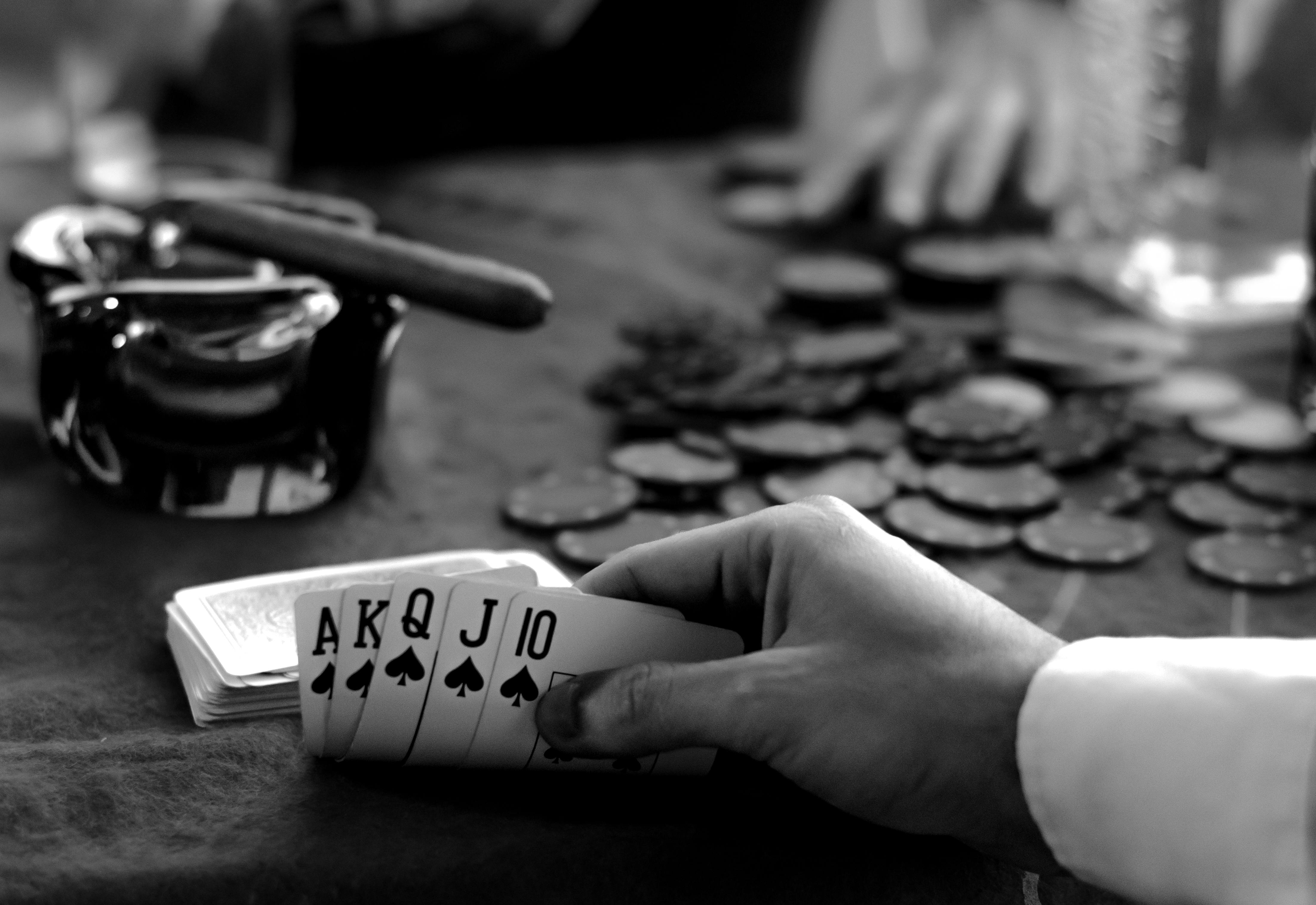
The advent of online gambling has revolutionized how individuals engage with games of chance. Platforms like Mafia Casino illustrate this evolution, offering extensive selections of games that cater to diverse preferences. Online gambling has become a significant cultural phenomenon, breaking geographical barriers and enabling people to participate in gambling activities from the comfort of their homes.
These online platforms not only provide entertainment but also create communities around shared interests. Features like live dealer games foster a sense of interaction, even in a virtual environment, allowing players to experience the thrill of gambling while connecting with others. This shift towards online gambling signifies a broader cultural acceptance and integration of gaming into everyday life.
Moreover, the competitive nature of the online gambling market has led to innovative promotions and bonuses, such as the welcome offers available on platforms like Mafia Casino. These incentives not only attract new players but also create a dynamic gaming environment that continually evolves, reflecting the changing tastes and preferences of contemporary society.